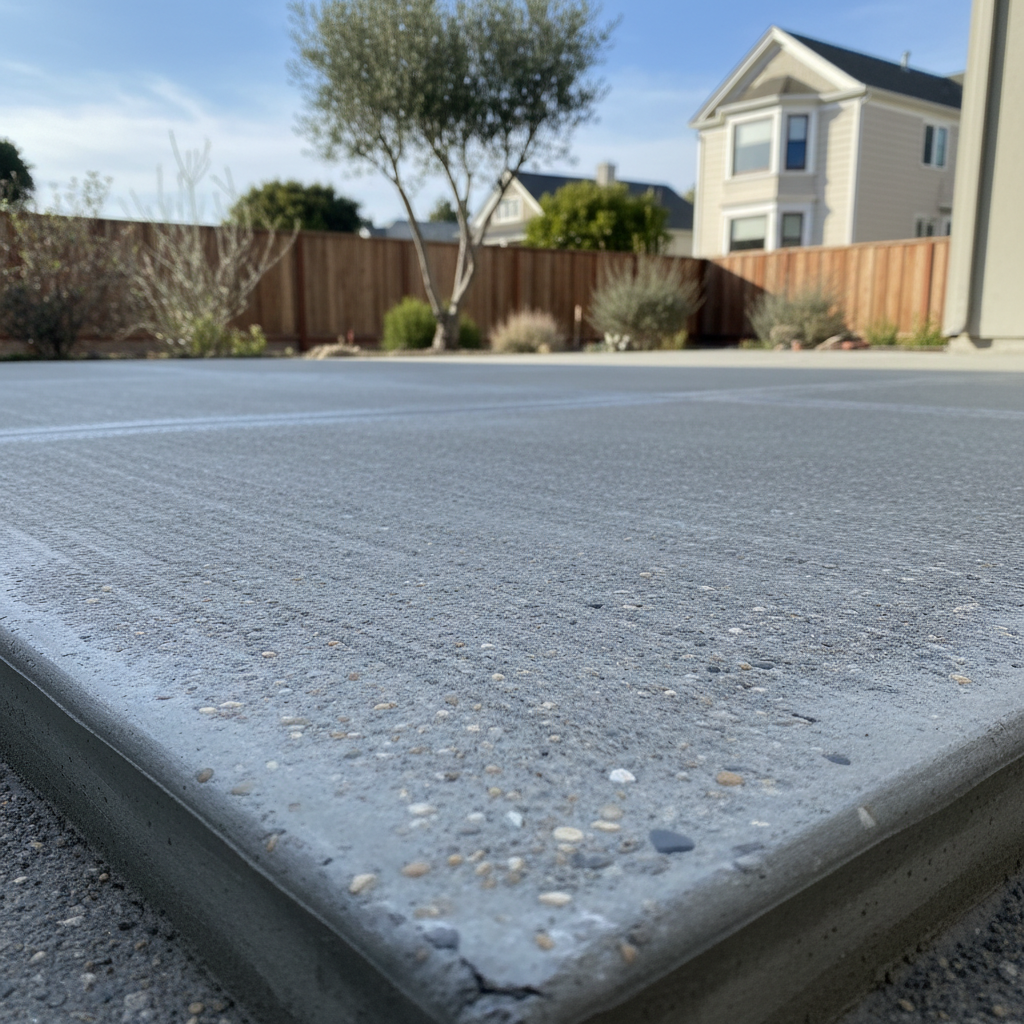
Thinking About a Concrete Project?
So, you're looking at that cracked patio or that sad-looking walkway and thinking, "Hey, maybe I can pour some concrete myself." I get it. There's a certain satisfaction in doing things with your own hands. But before you rent a mixer and order a truckload of gravel, let's talk about what's realistic for a homeowner to DIY and when you really need to bring in a professional, especially with San Francisco's unique challenges.
I've been working with concrete here in the Bay Area for years, and I've seen it all. From small, successful DIY projects to absolute nightmares that cost way more to fix than if they'd just hired someone in the first place.
Before You Even Think About Mixing
This is where most DIY projects go sideways before they even begin. Planning is everything, and with concrete, it's non-negotiable.
- Permits, Permits, Permits: Seriously, don't skip this. In San Francisco, you often need a permit for any new hardscaping or significant changes to existing structures, especially if it affects drainage or public right-of-way. You don't want the city telling you to rip out your brand-new patio because you didn't get the proper sign-off. Check with the Department of Building Inspection (DBI) first. It's a pain, but it's less of a pain than a stop-work order.
- Know Your Soil: This is huge, especially around here. We've got everything from sandy fill in the Marina to dense clay in the Sunset, and some areas are on old landfill. Your soil dictates your base preparation, and if you don't get that right, your concrete will crack, sink, or heave. A good base is critical. For smaller, non-structural slabs like a small pad for a garbage can, you might get away with just compacting the existing soil and adding a few inches of gravel. For anything bigger, you're looking at proper excavation and a substantial sub-base.
- Drainage is Key: Water is concrete's enemy if it's not managed. You need to plan for proper slope so water drains away from your house, not towards it. Even a 1/8-inch per foot slope makes a huge difference. Don't eyeball it; use a level and string line.
- What's Under There? Before you dig, call 811. Always. You don't want to hit a gas line or a water main. Trust me on this one.
What You Can Realistically DIY
If you're handy, patient, and not afraid of some serious physical labor, here are a few things you might be able to tackle yourself:
- Small Repair Patches: Got a small crack or a spalled corner on an existing slab? You can definitely patch this yourself with a good quality concrete repair mix. Clean out the area, follow the instructions, and trowel it smooth.
- Stepping Stones or Small Pavers: Using pre-made forms to pour individual stepping stones or small, decorative pavers is a great entry-level project. You're working with small batches of mix, and the stakes aren't super high if it's not perfect.
- A Very Small, Non-Structural Pad: Think a pad for an AC unit, a small trash can enclosure, or a base for a shed that's only a few square feet. You can buy bags of ready-mix concrete, which are easier to manage than mixing from scratch. The biggest challenge here is getting the base right and ensuring it's level.
When to Call Kingdom Concrete San Francisco (or another Pro)
This is where most projects fall into the "hire a pro" category. If any of these apply, save yourself the headache and call someone like us:
- Anything Structural: Retaining walls, foundations, structural slabs, stairs. These require engineering, specific rebar placement, and precision. One mistake here can compromise the integrity of your home.
- Large Slabs (Patios, Driveways, Walkways): Anything over 50-60 square feet is a lot of concrete. You'll need to order a concrete truck, which means you have a very limited window to pour, spread, and finish before it sets. This is not a one-person job, and it requires experience to get a smooth, level, and properly finished surface. Plus, the formwork needs to be rock-solid.
- Complex Shapes or Curves: If you're envisioning something intricate, that's pro territory.
- When You Need Specific Finishes: Exposed aggregate, stamped concrete, polished concrete – these are specialized skills that take years to master. You won't get a professional finish trying it for the first time.
- Sloping or Difficult Access Sites: We've got plenty of those in SF, right? Hauling concrete up a steep hill or through a narrow side yard is a job for equipment and experienced crews, not a homeowner with a wheelbarrow.
- If You're Unsure: Honestly, if you're reading this and feeling overwhelmed, that's your sign. Concrete is unforgiving. Once it's set, it's set. Fixing mistakes is expensive and often means tearing out and starting over.
During the Pour (If You DIY)
If you're doing a small project, remember:
- Wear Protection: Gloves, safety glasses, long sleeves. Wet concrete is caustic and can burn your skin.
- Mix it Right: Follow the bag instructions precisely. Too much water weakens the concrete.
- Work Fast: Concrete doesn't wait. Have all your tools ready and a plan for screeding and finishing before you start mixing.
- Cure it Properly: Keep your concrete moist for at least 3-7 days after pouring. This helps it gain strength and prevents cracking. Cover it with plastic sheeting, or mist it regularly. Don't let it dry out too fast, especially on a sunny day.
After the Pour
Whether you DIY or hire a pro, give your concrete time to cure fully before putting heavy loads on it. Typically, you can walk on it in 24-48 hours, but wait at least a week before driving a car on it, and 28 days for full strength. Be patient; it'll pay off.
Look, I'm all for homeowners getting their hands dirty. But know your limits. For anything beyond a small patch or a few stepping stones, you're usually better off investing in a professional job. It'll last longer, look better, and save you a lot of grief in the long run. If you've got a project in mind and want to talk it through, give Kingdom Concrete San Francisco a call. We're happy to give you an honest assessment.